济南苏鑫电缆桥架有限公司
客户咨询热线
0531-85767688
售后热线:15668327566
联系基地:山东省 德州市协同发展产业园D06幢
文章来源:https://www.sddlqj.cn/ 作者:电缆桥架厂家发布时间:2026-03-20 浏览次数:1
光伏项目建筑结构及电缆选择与接地保护
Photovoltaic project building structure and cable selection and grounding protection
一、电线电缆选择与敷设
1、 Selection and laying of wires and cables
光伏发电站电缆的选择与敷设,应符合现行国家标准《电力工程电缆设计规范》GB50217的规定,电缆截面应进行技术经济比较后选择确定。
The selection and laying of cables for photovoltaic power plants should comply with the provisions of the current national standard "Code for Design of Cables in Power Engineering" GB50217, and the cable cross-section should be selected and determined after technical and economic comparison.
1.光伏组件与组串汇流箱、光伏组件与组串式逆变器之间的电缆宜采用单芯光伏专用电缆,其耐紫外线、耐臭氧、耐气候性、温度特性、阻燃特性等均应符合现行国家标准《太阳能光伏发电用电缆技术规范》的规定。光伏电缆结构,如下图:
1. The cables between photovoltaic modules and string combiner boxes, as well as between photovoltaic modules and string inverters, should use single core photovoltaic dedicated cables, which should comply with the current national standard "Technical Specification for Cables for Solar Photovoltaic Power Generation" in terms of UV resistance, ozone resistance, weather resistance, temperature characteristics, flame retardant properties, etc. The structure of photovoltaic cable is shown in the following figure:
2.电缆的截面应根据长度进行选择,光伏系统交流电压降落不宜大于3%,光伏系统直流电压降落不宜大于2%,且应符合《电力工程直流电源系统设计技术规程》DL/T 5044的规定。如电压降落不满足要求时,应提升相应电缆的截面或调整设备相对位置以缩短路径长度,使压降在规定范围内。
2. The cross-section of the cable should be selected according to its length. The AC voltage drop of the photovoltaic system should not exceed 3%, and the DC voltage drop of the photovoltaic system should not exceed 2%, and should comply with the provisions of the "Technical Code for Design of DC Power Supply System in Electric Power Engineering" DL/T 5044. If the voltage drop does not meet the requirements, the cross-sectional area of the corresponding cable should be increased or the relative position of the equipment should be adjusted to shorten the path length, so that the voltage drop is within the specified range.
3.集中敷设于沟道、槽盒中的电缆应选用C类及以上阻燃电缆。在西北干旱地区常采用直埋方式敷设,采用此方式敷设有利于降低工程投资并有利于防止电缆火灾,因此对此部分电缆不做阻燃要求,但应采用铠装电缆。与建筑相结合的光伏发电系统,电缆宜采用C类及以上阻燃电缆,电力电缆宜选择铜导体。
3. Cables centrally laid in channels and troughs should use Class C or above flame-retardant cables. In the arid areas of Northwest China, direct burial is often used for laying, which is beneficial for reducing project investment and preventing cable fires. Therefore, there are no flame retardant requirements for this part of the cable, but armored cables should be used. The photovoltaic power generation system combined with buildings should use Class C or above flame-retardant cables for cables, and copper conductors for power cables.
4.电缆直埋敷设时要采取铠装保护。组件与组串汇流箱或组串式逆变器之间的连接电缆需要埋地敷设时,采用穿管保护时,可不用铠装保护,但穿管时正负出色电缆应分穿在不同保护管内。
When laying cables directly buried, armor protection should be adopted. When the connecting cables between components and string combiner boxes or string inverters need to be buried underground and protected by conduit, armor protection is not necessary. However, the positive and negative cables should be separately threaded in different protective conduits during conduit installation.
5.光伏组件之间及组件与汇流箱或组串式逆变器之间的电缆,应有固定措施和防晒措施。
5. The cables between photovoltaic modules and between modules and combiner boxes or string inverters should have fixing measures and sun protection measures.
6.电力电缆和控制电缆、光缆、屏蔽双绞线等线缆应分开排列,防止电力电缆对信号电缆干扰。光伏发电站中电气设备电缆出线孔与地面之间电缆裸露在外部的部分需要设置电缆保护管加以保护,以防外力破坏或断线引起周围设备带电,同时增加电缆抗腐蚀能力。
6. Power cables, control cables, optical cables, shielded twisted pair cables, and other cables should be arranged separately to prevent interference from power cables to signal cables. The exposed part of the cable between the electrical equipment cable outlet hole and the ground in the photovoltaic power station needs to be protected by cable protection pipes to prevent external damage or disconnection from causing surrounding equipment to become electrified, and to increase the cable's corrosion resistance.
7.集电线路采用架空设计时应符合现行国家标准《66kV及以下架空电力线路设计规范》GB50061的规定;站区内杆塔定位时应减少杆塔对光伏组件的遮挡影响。
7. When the collection line adopts overhead design, it shall comply with the provisions of the current national standard "Code for Design of 66kV and Below Overhead Power Lines" GB50061; When positioning the towers within the station area, the obstruction effect of the towers on the photovoltaic modules should be reduced.
8.与农牧业相结合的光伏发电站,汇流箱和逆变设备之间的电缆,宜采用电缆桥架或电缆线槽形式,电缆桥架、电缆线槽的设置要便于通行和农事作业。电缆采用直埋敷设时,耕作区直埋电缆深度宜不小于1000mm;采用固定式方阵基础的水面光伏发电站,位于水面区域的电缆宜采用电缆桥架或电缆线槽敷设,电缆桥架、电缆线槽的设置不应影响水域内交通运输。漂浮式水面光伏发电站,光伏方阵与陆上连接段的电缆宜固定在浮体上呈蛇形敷设且满足伸缩要求。位于水面区域的电缆应具有防水、抗紫外性能。
8. For photovoltaic power plants combined with agriculture and animal husbandry, the cables between the combiner box and the inverter equipment should be in the form of cable trays or cable troughs, and the installation of cable trays and cable troughs should be convenient for passage and agricultural operations. When cables are buried directly, the depth of buried cables in cultivated areas should not be less than 1000mm. For water surface photovoltaic power plants with fixed array foundations, cables located in the water surface area should be laid using cable trays or cable troughs, and the installation of cable trays and cable troughs should not affect transportation within the water area. The cables connecting the photovoltaic array and the onshore connection section of the floating surface photovoltaic power station should be fixed on the floating body and laid in a serpentine shape to meet the expansion and contraction requirements. Cables located in water surface areas should have waterproof and UV resistant properties.
二、过电压保护和接地
2、 Overvoltage protection and grounding
光伏发电站的升压站区和就地逆变升压室的过电压保护和接地,应符合现行国家标准《交流电气装置的过电压保护和绝缘配合设计规范》GB/T 50064、《交流电气装置的接地设计规范》GB/T 50065和现行行业标准《光伏发电站防雷技术规程》DL/T1364的规定。光伏发电站建筑物防雷应符合现行国家标准《建筑物防雷设计规范》GB50057的规定。升压站的防雷设计应符合现行国家标准《交流电气装置的过电压保护和绝缘配合设计规范》GB/T50064规定。
The overvoltage protection and grounding of the boosting station area and the on-site inverter boosting room of the photovoltaic power station shall comply with the current national standards "Design Specification for Overvoltage Protection and Insulation Coordination of AC Electrical Equipment" GB/T 50064, "Design Specification for Grounding of AC Electrical Equipment" GB/T 50065, and the current industry standard "Technical Code for Lightning Protection of Photovoltaic Power Stations" DL/T1364. The lightning protection of photovoltaic power station buildings shall comply with the provisions of the current national standard "Code for Design of Lightning Protection of Buildings" GB50057. The lightning protection design of the booster station should comply with the current national standard "Design Specification for Overvoltage Protection and Insulation Coordination of AC Electrical Equipment" GB/T50064.
1.光伏方阵场地内应设置接地网,接地网除应采用人工接地出色外,还应充分利用支架基础的金属构件。
1. A grounding grid should be installed within the photovoltaic array site. In addition to using artificial grounding electrodes, the grounding grid should also fully utilize the metal components of the support foundation.
2.接地应连续、可靠,接地电阻应小于4Ω。
2. The grounding should be continuous and reliable, and the grounding resistance should be less than 4 Ω.
3.光伏组件金属边框应与金属支架可靠电气连接,且单个金属支架应至少在两端接地。当采用非金属支架时,光伏组件金属边框应用引下线引下与接地网可靠连接。
3. The metal frame of the photovoltaic module should be reliably electrically connected to the metal bracket, and a single metal bracket should be grounded at least at both ends. When non-metallic brackets are used, the metal frame of the photovoltaic module should be reliably connected to the grounding grid through the use of down conductors.
4.室外布置的箱式逆变器和变压器等,宜充分利用其箱体金属外壳对设备进行雷电防护;当采用非金属箱体时,应设置接闪器对设备进行防护。
4. Box type inverters and transformers arranged outdoors should fully utilize their metal casing to provide lightning protection for the equipment; When using non-metallic enclosures, a lightning arrester should be installed to protect the equipment.
三、建筑结构相关要求
3、 Requirements related to building structure
光伏发电站主要配备有综合控制室、变配电站、水泵房、汽车库、警卫室等。根据项目规模及总体布置,这些站、室可增减或合并。建(构)筑物的布置应根据总体布置要求、站址地质条件、设备型号、电源进线方向、对外交通以及有利于站房施工、设备安装与检修和工程管理等条件,经技术经济比较确定。建筑设计应根据规划留有扩建的空间。
The photovoltaic power station is mainly equipped with a comprehensive control room, a power distribution station, a water pump room, a garage, a guard room, etc. According to the project scale and overall layout, these stations and rooms can be added, removed, or merged. The layout of buildings (structures) should be determined based on overall layout requirements, geological conditions of the station site, equipment models, direction of power supply lines, external transportation, and conditions conducive to station construction, equipment installation and maintenance, and engineering management, through technical and economic comparisons. Architectural design should leave room for expansion according to the plan.
1.地面光伏发电站的建筑物设计应满足设备布置、安装、运行和检修的要求。满足内外交通运输、站房结构布置、房内采暖、通风和采光、防火、防潮、防尘、防噪声等要求。建筑造型应与场地协调,布置合理,适用美观。
The building design of ground photovoltaic power stations should meet the requirements of equipment layout, installation, operation, and maintenance. Meet the requirements of internal and external transportation, station building structure layout, indoor heating, ventilation and lighting, fire prevention, moisture prevention, dust prevention, noise prevention, etc. The architectural design should be coordinated with the site, arranged reasonably, and aesthetically pleasing.
2.建筑物节能设计应满足建筑功能、使用质量、基本热工性能要求。包括建筑物及其围护结构的保温、隔热和防潮设计,所采取的主要措施有:控制窗户面积,提高窗户气密性;围护结构实际采用的传热阻尽量接近经济传热阻;在严寒和寒冷地区,入口处设置门斗,加强外门、窗保温等。
2. Energy saving design of buildings should meet the requirements of building functionality, quality of use, and basic thermal performance. The main measures taken for insulation, heat preservation, and moisture prevention design of buildings and their surrounding structures include controlling window area and improving window air tightness; The actual heat transfer resistance used in the enclosure structure should be as close as possible to the economic heat transfer resistance; In extremely cold and frigid regions, door hoppers should be installed at the entrance to enhance the insulation of external doors and windows.
3.建筑物门窗应根据建筑物内通风、采暖和采光的需要合理布置,有效地组织与室外空气直接流通的自然风,降低设备运行温度。宜利用自然采光,尽量争取好朝向,获取良好的天然采光。在严寒和寒冷地区,一般可采用双层玻璃窗以满足保温要求。在风沙较大的荒漠地区,外门窗还需有防风沙措施。
3. Building doors and windows should be arranged reasonably according to the needs of ventilation, heating, and lighting inside the building, effectively organizing natural wind that directly circulates with outdoor air and reducing equipment operating temperature. It is advisable to utilize natural lighting and strive for a good orientation to obtain good natural lighting. In extremely cold and frigid regions, double-layer glass windows can generally be used to meet insulation requirements. In desert areas with strong sandstorms, external doors and windows also need to have wind and sand prevention measures.
4.建筑物应预留设备搬入口,设备搬入口可结合门窗洞或非承重墙设置。采用酸性蓄电池的蓄电池室和贮酸室应采用耐酸地面,其内墙面应涂耐酸漆或铺设耐酸材料。
4. Buildings should reserve equipment access points, which can be combined with door and window openings or non load bearing walls. The battery room and acid storage room using acidic batteries should have acid resistant flooring, and their interior walls should be coated with acid resistant paint or covered with acid resistant materials.
5.与光伏发电系统相结合的建筑主体结构或结构构件,应能够承受光伏发电系统传递的荷载。在新建建筑上安装光伏发电系统时,建筑结构设计时需事先考虑其传递的荷载效应;在既有建筑物上安装光伏发电系统时,需进行建筑结构安全复核。
5. The main structure or structural components of buildings combined with photovoltaic power generation systems should be able to withstand the loads transmitted by the photovoltaic power generation system. When installing photovoltaic power generation systems on newly constructed buildings, the load effects transmitted should be considered in advance during the design of the building structure; When installing photovoltaic power generation systems on existing buildings, a structural safety review of the building is required.
6.与光伏发电系统相结合的建筑设计时,光伏发电系统宜布置在便于光伏设备维修、更换的建筑部位。厨房排油烟烟口、屋面排风、排烟道、通气管、空调系统等构件布置应与光伏组件相互避让。光伏发电系统的布置不应影响建筑所在部位的雨水排放。
When designing buildings combined with photovoltaic power generation systems, the photovoltaic power generation system should be arranged in building areas that are convenient for maintenance and replacement of photovoltaic equipment. The layout of kitchen smoke exhaust vents, roof exhaust ducts, smoke exhaust ducts, ventilation pipes, air conditioning systems and other components should avoid each other with photovoltaic modules. The layout of photovoltaic power generation systems should not affect the rainwater discharge in the location of the building.
7.多雪地区的建筑屋面安装光伏组件时宜设置便于人工除雪、清扫的安全通道。屋面防水层上安装光伏组件时应采取保护措施。建筑物屋面可根据当地气候条件和站房内通风、采暖要求设置保温隔热层。光伏发电系统的管线需要穿越屋面时应设置防水套管,并做防水密封处理。建筑屋面安装光伏发电系统应考虑屋面防水的更新和维护的需要。建筑应有防止光伏组件坠落的安全防护措施。单个光伏支架不应跨越建筑变形缝。
When installing photovoltaic modules on the roofs of buildings in snowy areas, it is advisable to set up safe passages for manual snow removal and cleaning. When installing photovoltaic modules on the roof waterproof layer, protective measures should be taken. The roof of a building can be equipped with insulation layers according to local climate conditions and ventilation and heating requirements inside the station building. When the pipelines of the photovoltaic power generation system need to pass through the roof, waterproof sleeves should be installed and waterproof sealing treatment should be carried out. The installation of photovoltaic power generation systems on building roofs should consider the need for updating and maintaining roof waterproofing. Buildings should have safety protection measures to prevent photovoltaic modules from falling. A single photovoltaic bracket should not cross building deformation joints.
8.光伏发电站中,除光伏支架及基础外的建(构)筑物的结构设计使用年限应为50年。抗震设防烈度应符合现行国家标准《建筑抗震设计规范》GB50011的规定。结构构件应根据承载能力出色状态及正常使用出色状态的要求,进行承载能力、稳定、变形、抗裂、抗震验算。
8. In photovoltaic power plants, the structural design service life of buildings (structures) other than photovoltaic brackets and foundations should be 50 years. The seismic fortification intensity should comply with the provisions of the current national standard "Code for Seismic Design of Buildings" GB50011. Structural components should undergo load-bearing capacity, stability, deformation, crack resistance, and seismic verification according to the requirements of the ultimate limit state and normal service limit state.
9.光伏发电站的结构设计,应依据岩土工程勘察报告进行。主要核实和核心考虑报告中如下内容:有无影响场地稳定性的不良地质条件及其危害程度;场地范围内的地层结构及其均匀性,以及各岩土层的物理力学性质;地下水埋藏情况、类型和水位变化幅度及规律,以及对建筑材料的腐蚀性;在抗震设防区划分的场地土类型和场地类别,并对饱和砂土及粉土进行液化判别;对可供采用的地基基础设计方案进行论证并确定与设计要求相对应的地基承载力及变形计算参数,以及设计与施工应注意的问题;地下水、土壤腐蚀性;地基土冻胀性、湿陷性、膨胀性的评价;水面光伏发电站应明确项目所在水体的腐蚀性、丰水期和枯水期的水位。
9. The structural design of photovoltaic power plants should be based on the geotechnical investigation report. Mainly verify and focus on the following contents in the report: whether there are adverse geological conditions that affect the stability of the site and their degree of harm; The geological structure and uniformity within the site, as well as the physical and mechanical properties of each rock and soil layer; The burial situation, type, and magnitude and regularity of water level changes in groundwater, as well as its corrosiveness to building materials; Divide the site soil types and categories in seismic fortification zones, and conduct liquefaction discrimination on saturated sand and silt; Discuss the available foundation design schemes and determine the foundation bearing capacity and deformation calculation parameters corresponding to the design requirements, as well as the issues to be noted in design and construction; Groundwater and soil corrosiveness; Evaluation of frost heave, collapsibility, and expansibility of foundation soil; The water surface photovoltaic power station should specify the corrosiveness of the water body where the project is located, as well as the water levels during the wet and dry seasons.
10.建筑结构及支架的基础应进行强度、变形、抗倾覆和抗滑移验算,采取相应的措施,且应符合国家现行标准《构筑物抗震设计规范》GB50191、《建筑地基基础设计规范》GB50007、《建筑桩基技术规范》JGJ94、《建筑地基处理技术规范》JGJ79和《太阳能发电站支架基础技术规范》GB 51101等的规定。
10. The foundation of building structures and supports should undergo strength, deformation, anti overturning, and anti slip calculations, and corresponding measures should be taken. It should also comply with the current national standards such as "Code for Seismic Design of Structures" GB50191, "Code for Design of Building Foundation" GB50007, "Technical Code for Building Pile Foundations" JGJ94, "Technical Code for Building Foundation Treatment" JGJ79, and "Technical Code for Solar Power Station Support Foundation" GB 51101.
11.对于地面电站,当场地地下水位低、稳定持力层埋深大、需要冬季施工、地形起伏大或对场地生态恢复要求较高时,支架的基础可采用螺旋桩、型钢桩等钢制地锚。
11. For ground power stations, when the groundwater level is low, the stable bearing layer is deeply buried, winter construction is required, the terrain is undulating, or the ecological restoration requirements of the site are high, the foundation of the support can use steel anchors such as spiral piles and steel piles.
12.对于水面光伏电站,应根据水文、工程地质和施工条件,经技术经济对比后,确定采用漂浮式或固定式支架基础。采用固定式支架基础时,宜采用预制桩基础。四、建筑给排水、暖通与空调光伏发电站给水应满足生产、生活和消防用水要求,且应符合现行国家标准《建筑给水排水设计规范》GB50015的规定。生活饮用水的水质应符合现行国家标准《生活饮用水卫生标准》GB5749的规定。
For surface photovoltaic power plants, floating or fixed support foundations should be determined based on hydrological, engineering geological, and construction conditions, after technical and economic comparisons. When using a fixed bracket foundation, it is advisable to use a prefabricated pile foundation. 4、 The water supply for building water supply and drainage, HVAC and photovoltaic power plants should meet the requirements for production, domestic and fire-fighting water, and should comply with the provisions of the current national standard "Code for Design of Building Water Supply and Drainage" GB50015. The water quality of drinking water should comply with the current national standard "Sanitary Standards for Drinking Water" GB5749.
1.要合理利用水资源和保护水体。综合利用各种水资源并符合所在地区水资源综合利用规划。除生活饮用、盥洗、淋浴等用水外,在满足水质要求的情况下,生产和杂用应充分考虑利用非传统水资源、生产排出的清洁废水等资源,当有市政再生水条件时,应优先利用市政再生水。
1. Reasonably utilize water resources and protect water bodies. Comprehensively utilize various water resources and comply with the comprehensive utilization plan of water resources in the region. In addition to drinking water, washing water, showering water, etc., production and miscellaneous use should fully consider the utilization of non-traditional water resources, clean wastewater discharged from production, and other resources, while meeting water quality requirements. When there are conditions for municipal recycled water, priority should be given to using municipal recycled water.
2.寒冷及严寒地区,给水管设计时应设泄水装置。
2. In cold and extremely cold regions, drainage devices should be installed in the design of water supply pipes.
3.光伏发电站内各类废、污水应按水质分流排水,并应根据排放要求进行处理,处理后对外排放的水质应符合现行国家标准《污水综合排放标准》GB 8978的有关规定。
3. Various types of waste and sewage in photovoltaic power plants should be separated and discharged according to water quality, and treated according to discharge requirements. The water quality discharged after treatment should comply with the relevant provisions of the current national standard "Comprehensive Wastewater Discharge Standard" GB 8978.
4.光伏组件清洗系统和设备宜采用节水型,清洗用水应为中性水,避免使用弱酸弱碱水对组件产生腐蚀。采用管道清洗光伏组件时,设计水压应满足现行国家标准《室外给排水设计规范》GB 50014中的相关规定。
4. The photovoltaic module cleaning system and equipment should be water-saving, and the cleaning water should be neutral water to avoid corrosion of the components caused by weak acid and weak alkali water. When using pipeline cleaning for photovoltaic modules, the design water pressure should meet the relevant provisions of the current national standard "Code for Design of Outdoor Water Supply and Drainage" GB 50014.
5.光伏发电站建筑累年日平均温度稳定低于或等于5℃的日数大于或等于90天的地区,当建筑物内经常有人停留、对工作或对室内温度有一定要求时,应设置采暖设施。采暖通风和空气调节室外空气计算参数的选用,应符合现行国家标准《工业建筑采暖通风与空气调节设计规范》GB50019和《民用建筑采暖通风与空气调节设计规范》GB 50736的规定。
5. In areas where the average daily temperature of photovoltaic power station buildings has remained stable below or equal to 5 ℃ for more than or equal to 90 days over the years, heating facilities should be installed when people often stay in the building, have certain requirements for work or indoor temperature. The selection of outdoor air calculation parameters for heating, ventilation, and air conditioning should comply with the current national standards "Design Code for Heating, Ventilation, and Air Conditioning of Industrial Buildings" GB50019 and "Design Code for Heating, Ventilation, and Air Conditioning of Civil Buildings" GB 50736.
6.光伏发电站内各类建筑物冬季采暖室内计算温度宜符合下表的规定:注:采用阀控式密封铅酸电池组的蓄电池室,室内计算温度为15℃。
6. The calculated indoor temperature for winter heating of various buildings in the photovoltaic power station should comply with the following table: Note: For battery rooms using valve regulated sealed lead-acid battery packs, the calculated indoor temperature is 15 ℃.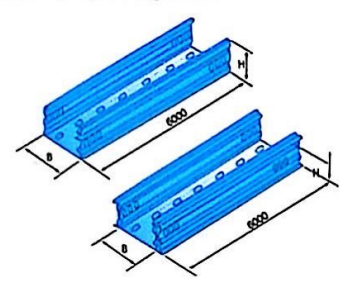
7.需设置采暖的建筑物,当其位于严寒地区或寒冷地区且在非工作时间或中断使用的时间内,室内温度应按5℃设置值班采暖。
7. For buildings that require heating, when they are located in extremely cold areas or cold regions and during non working hours or interrupted use, the indoor temperature should be set at 5 ℃ for duty heating.
8.光伏发电站低温加热电缆辐射采暖宜采用地板式;低温电热膜辐射采暖宜采用顶棚式。
8. Low temperature heating cable radiation heating for photovoltaic power plants should adopt floor type heating; Low temperature electric heating film radiation heating should adopt ceiling type.
9.光伏发电站各类建筑应有良好的自然通风。当自然通风达不到室内空气参数要求时,可采用自然与机械联合通风、机械通风、局部空气调节等方式。通风系统应考虑防风沙措施。
9. All types of buildings in photovoltaic power plants should have good natural ventilation. When natural ventilation cannot meet the indoor air parameter requirements, methods such as natural and mechanical combined ventilation, mechanical ventilation, and local air conditioning can be used. The ventilation system should consider measures to prevent wind and sand.
10.逆变器室的环境温度应控制在设备运行允许范围内,应有通风设施,确保逆变器产生的废热能排离设备,出风口的朝向应根据当地主要风向确定,进风口、出风口应有防尘、防雨、防植物飞絮等设施。
10. The ambient temperature of the inverter room should be controlled within the allowable range of equipment operation, and ventilation facilities should be provided to ensure that the waste heat generated by the inverter is discharged from the equipment. The orientation of the air outlet should be determined according to the local prevailing wind direction, and the inlet and outlet should have dust, rain, and plant fly proof facilities.
11.当通风装置不能满足工艺对室内的温度、湿度要求时,主控制室、继电器室等应设置空气调节装置。当采用局部空气调节或局部区域空气调节能满足要求时,不宜采用全室性空气调节。
When the ventilation device cannot meet the temperature and humidity requirements of the process for indoor use, air conditioning devices should be installed in the main control room, relay room, etc. When local air conditioning or local area air conditioning can meet the requirements, it is not advisable to use full room air conditioning.
本文由 山东电缆桥架 友情奉献.更多有关的知识请点击 http://www.sddlqj.cn/ 真诚的态度.为您提供为多维度的服务.更多有关的知识我们将会陆续向大家奉献.敬请期待.
This article is a friendly contribution from Shandong Cable Bridge For more related knowledge, please click http://www.sddlqj.cn/ Sincere attitude To provide you with comprehensive services We will gradually contribute more relevant knowledge to everyone Coming soon.
 济南火车站
济南火车站 曲阜孔子文化会展中心
 山东工艺美院
 公安厅服务展示
 热镀锌托臂的选型要点与性能对比
热镀锌托臂作为电缆桥架的支撑部件,其性能直接影响整个布线系统的稳定性。主流产品按材质分为Q235碳钢热镀锌、不锈钢热镀锌(双镀层)及铝合金热镀锌三类,其中碳钢热镀锌托臂因性价比高、承重能力强成为通用首
TIME:2026-09-15
本网站部分内容来源于网络,如有侵权请告知!我们立即删除;本网站严格遵循国家相关法律法规规定,如有不当之处,请告知!我们立即删除。
网站备案:鲁ICP备2022033215号
济南苏鑫电缆桥架有限公司